Kidney disease is often referred to as a “silent killer” because it can develop with little to no symptoms in its early stages. However, recognizing the warning signs early can help you take proactive steps to protect your kidney health and prevent further complications. Here’s what you need to know about the early signs of kidney disease and when to seek medical attention.
The kidneys play a vital role in filtering waste products and excess fluids from the blood, regulating blood pressure and kidney function, and balancing essential nutrients in the body. When they begin to lose function, waste can build up, leading to serious health complications, including chronic kidney disease (CKD), acute kidney injuries, and kidney failure.
According to the Centers for Disease Control and Prevention (CDC), millions of Americans suffer from kidney disease, yet many are unaware they have it. Common causes of chronic kidney disease include diabetes, high blood pressure, autoimmune disease, and polycystic kidney disease.
Many people with chronic kidney disease may not experience symptoms until significant kidney damage has occurred.
However, some early warning signs to watch for include:
The kidneys filter waste from the blood to produce urine. Any noticeable change in urination, such as:
A urine test can help diagnose kidney disease and detect abnormalities at an early stage.
When kidney function declines, waste products accumulate in the blood, leading to a condition known as uremia. This can cause extreme tiredness, weakness, and a lack of concentration. Additionally, kidney disease can lead to anemia due to a decrease in red blood cells, further contributing to fatigue.
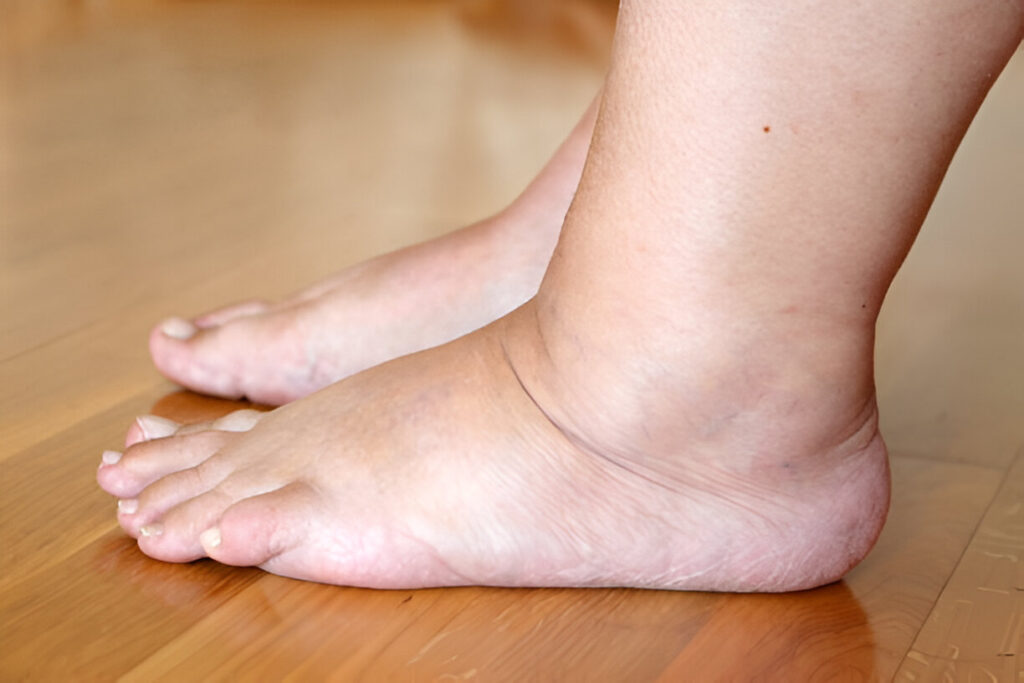
The kidneys regulate fluid balance in the body. When they fail to function properly, fluid builds up, causing swelling in the legs, feet, hands, and face. This is a sign of fluid retention, often linked to high blood pressure and kidney damage.
Excess fluid from kidney disease can accumulate in the lungs, leading to breathing difficulties. Low red blood cell levels can also result in reduced oxygen delivery, worsening symptoms of shortness of breath.
Kidneys remove toxins from the body. When kidney function is compromised, waste products build up in the blood, causing severe itching, rashes, and dry skin.

A buildup of toxins due to declining kidney function can result in nausea, vomiting, and loss of appetite. Many people with kidney disease experience an aversion to certain foods, leading to unintended weight loss.
The kidneys help regulate blood pressure, and their decline can contribute to hypertension. In turn, high blood pressure is a leading cause of kidney disease, creating a vicious cycle. Uncontrolled high blood pressure increases the risk of kidney failure and blood vessel damage.
If you experience any of these symptoms, it is essential to consult a kidney specialist. Early detection through medical tests can help diagnose kidney disease and prevent further damage.
For individuals with end-stage renal disease (ESRD) or end-stage kidney disease, treatment includes dialysis or a kidney transplant. Dialysis helps remove excess fluids and waste from the body, replacing kidney function. Some people may require a kidney transplant to survive, as this can offer a long-term solution to kidney failure.
Many patients opt for home dialysis, which provides flexibility and greater independence in managing kidney disease from the comfort of their homes.
Kidney disease can be prevented or slowed with early detection and proper treatment. If you’re at risk due to diabetes, high blood pressure, or a family history of kidney disease, taking proactive steps can help reduce the risk of developing kidney failure.
Key Takeaways:
Recognizing the symptoms of chronic kidney disease early and seeking timely intervention can make a huge difference in your kidney health and overall well-being. To learn more about treatment options, including home dialysis, visit Dialyze Direct.
References and links
Information contained in this blog is for informational or educational purposes only and does not substitute professional medical advice or consultations with healthcare professionals. The content is not meant to be complete or exhaustive or to apply to any specific individual’s medical condition. Always refer to the personalized information given to you by your doctor or contact us directly.

Dr. Allen Kaufman is the Chief Medical Officer and Senior VP for Clinical & Scientific Affairs at Dialyze Direct, with over four decades of experience in Nephrology. He began his career in 1980 and has held leadership roles including Chief of Nephrology & Hypertension at Beth Israel Medical Center (1998–2004), Chief of Dialysis at the Bronx VA Medical Center (1982–1990), and Chief of the Yorkville Dialysis Unit at Beth Israel and the Renal Research Institute (1990–2000). Dr. Kaufman has authored over 100 scientific publications and served as Principal or Co-Investigator on numerous NIH-funded research studies. A Fellow of the American College of Physicians, he is board-certified in Nephrology and Internal Medicine. He earned his medical degree from the University of Rochester and completed training at the Hospital of the University of Pennsylvania and Mount Sinai in New York. Dr. Kaufman is widely recognized with multiple “Best Doctor” and “Patients’ Choice” awards.