The first 30 days after hospital discharge are the most vulnerable period for dialysis patients. Many early readmissions are not caused by new medical events, but by preventable gaps in monitoring, communication, and coordination during the transition to skilled nursing care.
Below are four common and often preventable drivers of early hospital returns:
Common and Preventable Drivers of Dialysis Readmissions
Low hemoglobin at discharge is a common and preventable driver of early readmissions for dialysis residents. Ensuring that the SNF Intake Team and Director of Nursing are fully aware of baseline Hgb levels prior to and at admission allows for close monitoring, thereby reducing unnecessary hospital transfers for clinically stable, asymptomatic anemia during the first week of care while ESA and iron dosing are initiated by the dialysis team.
Non-adherence to dietary and fluid guidelines frequently leads to fluid overload and cardiac stress. Excess sodium and fluid intake can quickly result in shortness of breath, hypertension, and instability. Early reinforcement of dietary restrictions and close monitoring during the first weeks of care are essential to prevent avoidable transfers.
Skipped or shortened dialysis treatments are a common cause of clinical deterioration. Incomplete treatments can lead to fluid accumulation and dangerous electrolyte imbalances. Maintaining consistent, full-length treatments and addressing barriers promptly helps stabilize patients during this vulnerable transition period.
Inaccurate pre- and post-dialysis weights are an overlooked but significant contributor to instability. Even small discrepancies can result in improper fluid removal, increasing the risk of hypertension or fluid overload. Accurate weight documentation and strong communication between nursing and dialysis teams are key to preventing unnecessary readmissions.
Supporting Safer Transitions
Clear communication at discharge, strong coordination with SNF leadership, and consistent dialysis delivery during the first week can significantly reduce avoidable hospital returns. When intake teams, nursing leadership, and dialysis providers are aligned from day one, patients remain more stable and focused on recovery rather than returning to the hospital.
If you would like to discuss facilities that provide onsite dialysis and structured post-acute coordination, you can find participating locations here: https://www.dialyzedirect.com/locations/
Information contained in this blog is for informational or educational purposes only and does not substitute professional medical advice or consultations with healthcare professionals. The content is not intended to be comprehensive or exhaustive, and it does not apply to any specific individual’s medical condition. Always refer to the personalized information given to you by your doctor, or contact us directly.
RN/MBA healthcare executive with extensive experience across hospitals, nephrology, pharmaceutical, and medical device sectors. Proven leader in operations, business development, sales, and physician relations, with a strong track record in strategic planning, KPI-driven performance, and multi-state team leadership.
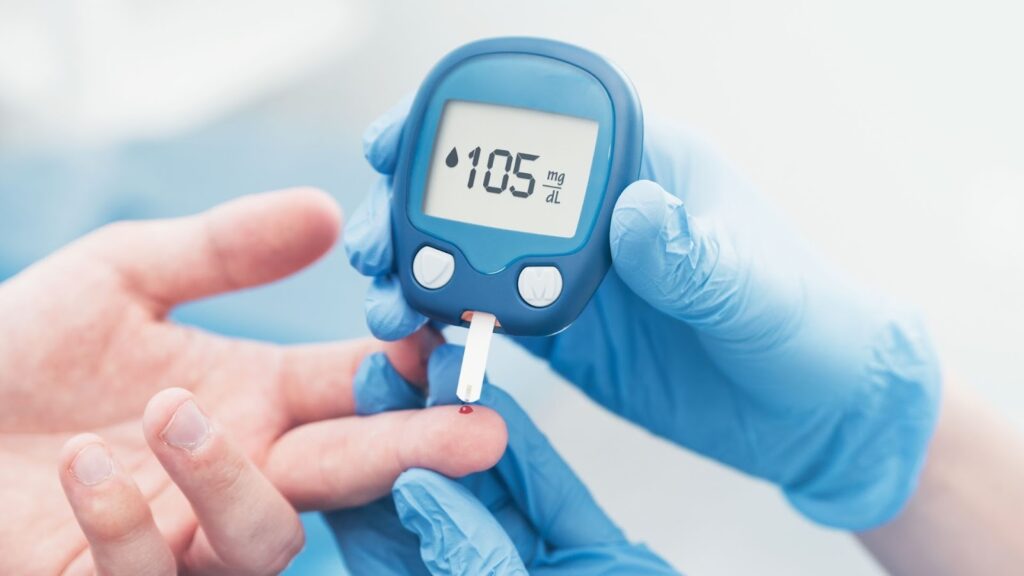
Did you know that diabetes is the leading cause of chronic kidney disease (CKD) and that anemia is a common complication of chronic kidney disease? According to the National Kidney Foundation (NKF), 1 in 3 adults with diabetes also has kidney disease.
At the same time, patients with chronic kidney disease experience reduced production of red blood cells, leading to anemia in CKD, a condition that causes extreme fatigue and worsens kidney function over time.
If you’re feeling tired, noticing unusual blood sugar spikes, or dealing with anemia, it’s crucial to understand how these issues are connected. Early detection and proper diabetes care can prevent kidney failure and improve your overall health.
The Vital Connection: Kidneys, Blood Sugar, and Red Blood Cells
Your kidneys perform several essential functions, including:
Filtering waste from the bloodstream and removing toxins through urine.
Regulating blood pressure by balancing fluids and electrolytes.
Producing erythropoietin (EPO), a hormone that stimulates red blood cell production in the bone marrow.
When blood sugar levels remain high (due to type 1 or type 2 diabetes), it damages the small blood vessels in the kidneys, contributing to diabetic kidney disease. This condition, called diabetic nephropathy, leads to kidney damage and reduces the kidneys’ ability to produce EPO (NIDDK).
Without enough EPO, your body doesn’t make sufficient red blood cells, leading to anemia in patients with diabetes, which worsens kidney health over time.
How High Blood Sugar Damages the Kidneys
The Impact of Diabetes on Kidney Health
Diabetes is the #1 cause of chronic kidney disease and kidney failure in the U.S. (CDC). When blood glucose remains high for extended periods, it causes:
Damage to kidney blood vessels, reducing their ability to filter waste.
Protein leakage in urine (proteinuria), which is a warning sign of early kidney disease.
Fluid retention, leading to high blood pressure and swelling in the legs and feet.
Over time, poorly controlled diabetes forces the kidneys to work harder, leading to progressive damage and, eventually, end-stage renal disease (ESRD). The National Kidney Foundation (NKF) reports that diabetes accounts for 50% of all kidney failure cases in the U.S.
Anemia and Kidney Disease: A Dangerous Combination
Anemia in chronic kidney disease affects nearly 50% of CKD patients, especially in advanced stages (NIDDK). When the kidneys fail to produce enough erythropoietin (EPO), the bone marrow slows down red blood cell production.
This leads to:
Chronic fatigue and weakness.
Shortness of breath, even during mild activities.
Dizziness and headaches due to reduced oxygen supply to the brain.
Pale skin and cold hands/feet due to poor circulation.
Anemia in patients with type 2 diabetes and CKD can also increase the risk of heart disease, making diabetes care even more difficult.
The Dangerous Trio: High Blood Sugar, Anemia, and CKD
High blood sugar damages kidney blood vessels, reducing their ability to function properly. Over time, this leads to chronic kidney disease (CKD).
Weakened kidneys fail to produce enough erythropoietin (EPO), a hormone needed to make red blood cells, leading to anemia.
Anemia results in lower oxygen levels in the body, worsening kidney disease in patients with diabetes.
Declining kidney function makes it harder to regulate blood glucose, causing diabetes to progress more rapidly.
As diabetes worsens, kidney damage accelerates, leading to end-stage kidney disease (ESKD) and an increased risk of requiring dialysis or a kidney transplant.
Who’s at Risk?
Certain individuals face a higher risk of kidney disease and anemia due to diabetes:
People with Type 1 or Type 2 diabetes for more than 10 years, as prolonged high blood sugar levels accelerate kidney damage.
Patients with high blood pressure, which worsens CKD and anemia.
Those with a family history of kidney disease or diabetes, as genetic factors increase susceptibility.
Individuals with obesity, since excess weight contributes to insulin resistance and high blood pressure.
Older adults, as kidney function naturally declines with age.
Early detection through routine complete blood count (CBC) tests and kidney function tests can help slow the loss of kidney function.
Prevention and Treatment Options
How to Protect Kidney Function and Manage Anemia
1. Control Blood Sugar Levels
Monitor blood glucose levels daily.
Follow a low-carb, kidney-friendly diet.
Take diabetes medications and insulin as prescribed.
2. Manage Anemia in CKD
Eat iron-rich foods like leafy greens and lean meats.
Take iron supplements to treat iron deficiency anemia.
Consider erythropoietin (EPO) therapy under medical supervision.
3. Protect Kidney Function
Stay hydrated and reduce salt intake.
Avoid NSAIDs (like ibuprofen) that can harm the kidneys.
Keep blood pressure under control with medication if necessary.
Peritoneal dialysis: A more flexible home-based dialysis option.
Blood transfusions: Used for severe anemia cases.
Kidney transplant: The only permanent solution for kidney failure.
Take Action Before It’s Too Late
Ignoring high blood sugar levels, anemia, and CKD symptoms can lead to kidney failure, requiring dialysis or a kidney transplant.
Monitor your blood sugar, kidney function, and anemia levels.
Get regular checkups to catch CKD early.
Follow a healthy lifestyle to slow disease progression.
By taking control of your health today, you can prevent complications and improve your quality of life.
Frequently Asked Questions
1. Can kidney disease cause high glucose levels?
Kidney disease can affect how your body uses insulin, making blood sugar harder to control, especially in advanced stages or in people with diabetes.
2. What is the link between diabetes and anemia?
Diabetes can lead to kidney damage, reducing erythropoietin production, which decreases red blood cell count and causes anemia over time.
3. What stage of kidney disease causes anemia?
Anemia commonly begins in stage 3 CKD and worsens in later stages due to reduced erythropoietin and iron deficiency.
5. How long does it take to go from stage 4 kidney disease to stage 5?
Progression from stage 4 to stage 5 may take months to years, depending on health, blood pressure, diabetes control, and treatment adherence.
6. What are the three early warning signs of kidney disease?
Early signs include fatigue, swelling in the ankles or face, and frequent or foamy urination, especially at night.
Information contained in this blog is for informational or educational purposes only and does not substitute professional medical advice or consultations with healthcare professionals. The content is not intended to be comprehensive or exhaustive, and it does not apply to any specific individual’s medical condition. Always refer to the personalized information given to you by your doctor, or contact us directly.
Dr. Allen Kaufman is the Chief Medical Officer and Senior VP for Clinical & Scientific Affairs at Dialyze Direct, with over four decades of experience in Nephrology. He began his career in 1980 and has held leadership roles including Chief of Nephrology & Hypertension at Beth Israel Medical Center (1998–2004), Chief of Dialysis at the Bronx VA Medical Center (1982–1990), and Chief of the Yorkville Dialysis Unit at Beth Israel and the Renal Research Institute (1990–2000). Dr. Kaufman has authored over 100 scientific publications and served as Principal or Co-Investigator on numerous NIH-funded research studies. A Fellow of the American College of Physicians, he is board-certified in Nephrology and Internal Medicine. He earned his medical degree from the University of Rochester and completed training at the Hospital of the University of Pennsylvania and Mount Sinai in New York. Dr. Kaufman is widely recognized with multiple “Best Doctor” and “Patients’ Choice” awards.
Keeping a dialysis patient’s discharge plan on track can be challenging. Dialyze Direct identifies this challenge and works to support CM efforts, offering a smoother referral process with rapid approval responses.
How we work to improve the referral process for CM and onsite dialysis needs:
We partner with over 165 SNF facilities in 12 states.
Our location finder can help you find SNF facilities that offer additional patient care services, such as vent and trach support, eliminating guesswork for you and your staff.
Our referral review process is an industry-standard setting, supporting rapid clinical and financial reviews and approval notifications for placement.
We communicate directly with CM and SW to help with placement when needed.
Our Intake staff works closely with SNF admissions coordinators, supporting their facility-specific needs.
We are in network with multiple Commercial and Managed Care payor sources, including Aetna, Humana, and Cigna, and work with many others out of network for acceptance.
We offer patients conventional (3 days/week) and MFD (5 days/week) dialysis therapy models at specific locations to promote recovery and focus on the rehab needs of our patients, limiting complications, infections, and return hospitalizations.
When you first hear the word “dialysis,” it’s normal to feel uncertain, overwhelmed, or even fearful. Whether you’re newly diagnosed with chronic kidney disease or living with end-stage renal disease (ESRD), choosing the right dialysis treatment can feel like a life-altering decision. But here’s some encouraging news: more and more patients are finding freedom, comfort, and better health outcomes by transitioning to home dialysis.
If you’re exploring your dialysis options, this guide is for you. We’re breaking down everything you need to know, simply and clearly, about making the switch to home dialysis and how it could improve your quality of life.
Is Home Dialysis Right for You?
If you’ve ever felt tired of the routine of going to a dialysis center three times a week, or wish you had more control over your time and energy, home dialysis might be your answer.
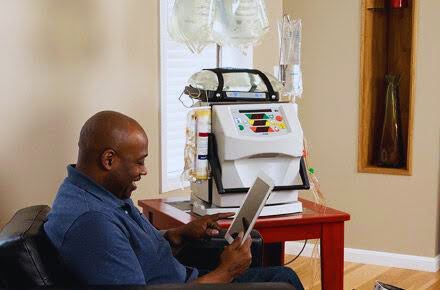
Home dialysis is a safe, effective, and flexible treatment option for many patients with kidney failure. It lets you receive your dialysis treatment in the comfort of your home, often on your own schedule, with full support from your healthcare team.
According to the National Kidney Foundation, more patients are choosing to dialyze at home due to the flexibility and improved outcomes it can offer.
Want a deeper comparison of treatment styles? Check out our detailed guide on Comparing Home Dialysis to In-Center Hemodialysis to see how each option affects your lifestyle, comfort, and long-term health.
What Is Home Dialysis?
Dialysis is a treatment that removes waste and excess fluid from your blood when your kidneys no longer function properly.
There are two main types of dialysis:
Hemodialysis (HD): Blood is filtered through a machine to remove toxins and fluid.
Peritoneal Dialysis (PD): Uses the lining of your abdomen (peritoneal cavity) to filter your blood. (Note: At Dialyze Direct, we currently do not provide peritoneal dialysis.)
Home dialysis can refer to:
Home Hemodialysis (HHD): ): Like in-center hemodialysis but done at home with a type of dialysis machine developed specifically for treatments at home.
Continuous Ambulatory Peritoneal Dialysis (CAPD) or Continuous Cycling Peritoneal Dialysis (CCPD): Peritoneal dialysis treatments that are done often using a machine called a cycler.
Benefits of Home Dialysis
Patients who switch to home hemodialysis often report:
More flexible treatment schedules
Fewer dietary restrictions
Improved energy and appetite
Fewer hospital visits
More time for work, family, and hobbies
Plus, performing dialysis at home can help you feel more in control and connected to your care team and treatment plan.
You or your care partner can manage treatments safely at home
You have space for equipment and supplies
Your healthcare team feels you’re medically stable enough to handle it
You’re committed to home dialysis training and learning how to use the equipment
Your nephrologist and care team will work with you to decide if this is the best treatment option for your lifestyle and medical needs.
How to Transition to Home Dialysis: A Step-by-Step Guide
1. Talk with Your Nephrologist
Discuss your interest in switching with your kidney doctor. They’ll review your health history and recommend the best dialysis modality for you.
2. Home Assessment
You’ll need a clean, safe space for your machine and supplies. Your care team will assess your home setup.
3. Surgery for Hemodialysis Access
To start hemodialysis, you’ll need surgery to create a vascular access point, usually a fistula or catheter.
4. Complete Home Training
You and your care partner will undergo several weeks of home training to learn how to:
Operate the machine
Mix and use dialysate
Handle emergencies
Follow hygiene protocols to prevent infection
5. Start Dialysis at Home
Once trained and approved, you’ll begin your home dialysis treatment with support from your dialysis care team.
What Does a Day on Home Dialysis Look Like?
Here’s a sample dialysis schedule for someone using home hemodialysis:
Morning: Wake up, check supplies, prepare your machine, and begin dialysis session
Midday: Dialysis session completes, remove catheter or needles, clean up equipment
Afternoon: Rest, eat a healthy meal, spend time with family
Evening: Review treatment log with your health care team via app or check-in call
Depending on your prescription, you might do shorter treatments daily or longer sessions a few times a week. Either way, home dialysis machines allow you to choose the treatment that fits your life.
Common Concerns About Home Dialysis
“What if something goes wrong?” You’re never alone, your care team is available 24/7 for guidance and support.
“Is home dialysis hard to learn?” Not at all. Most patients and caregivers master the routine in just a few weeks of home dialysis training.
“What about insurance?” Many insurance plans, including Medicare, cover home dialysis treatment.
At Dialyze Direct, we believe that dialysis should support your life, not control it. That’s why we specialize in home hemodialysis for patients in skilled nursing facilities and homes across the U.S.
We make the transition to home easier by offering:
One-on-one support from your own healthcare team
Easy-to-use home dialysis machines
Personalized care plans
Help navigating insurance and Medicare coverage
We proudly offer dialysis care that prioritizes comfort, dignity, and independence.
Whether you’re already on in-center dialysis or just beginning your dialysis journey, know that you have options. Home dialysis isn’t just a treatment, it’s a lifestyle shift that can give you back your freedom, time, and peace of mind.
If you or a loved one is interested in home dialysis, talk to your nephrologist and contact our team at Dialyze Direct. We’re here to help you take control of your health, right from the comfort of your home.
Your kidneys may need support, but your life doesn’t have to stop
Can you switch from in-center dialysis to in-home dialysis?
Yes! Many dialysis patients successfully transition from in-center dialysis to home hemodialysis with proper training, equipment, and support from their healthcare team. Talk to your nephrologist to explore your options.
Is at home dialysis painful?
Home dialysis itself isn’t painful. Some patients feel mild discomfort from needle insertion, but the process of filtering your blood using the dialysis machine is typically painless and manageable.
What is the success rate of home dialysis?
Home dialysis has shown excellent success rates. Studies link it to better health outcomes, fewer hospitalizations, and improved quality of life compared to traditional in-center treatments for many patients.
Why is dialysis so hard on the body?
Dialysis replaces lost kidney function, which is demanding on your system. Fatigue, blood pressure changes, and nutrient loss can occur, but many symptoms improve with a good care plan and home flexibility.
How difficult is home dialysis?
It’s easier than most expect. With proper home dialysis training, most patients and their care partners learn how to manage treatments confidently in just a few weeks.
References
Home Hemodialysis Benefits and Technology https://www.kidney.org/kidney-topics/home-hemodialysis Details benefits like reduced medication needs, improved quality of life, and advancements in home hemodialysis machines (2025).
Empowering Home Dialysis Workshop Report NIDDK Workshop Summary (2021) Discusses systemic challenges, training protocols, and equity in home dialysis access.
ESRD Payment and Home Dialysis Coverage CMS Policy Update (2024) Explains Medicare coverage for home dialysis machines and payment incentives under the ESRD Prospective Payment System.
Global Trends in Home Dialysis Adoption Frontiers in Nephrology (2024) Analyzes rising interest in home dialysis, regional disparities, and strategies to improve uptake.
Information contained in this blog is for informational or educational purposes only and does not substitute professional medical advice or consultations with healthcare professionals. The content is not intended to be comprehensive or exhaustive, and it does not apply to any specific individual’s medical condition. Always refer to the personalized information given to you by your doctor, or contact us directly.
Dr. Allen Kaufman is the Chief Medical Officer and Senior VP for Clinical & Scientific Affairs at Dialyze Direct, with over four decades of experience in Nephrology. He began his career in 1980 and has held leadership roles including Chief of Nephrology & Hypertension at Beth Israel Medical Center (1998–2004), Chief of Dialysis at the Bronx VA Medical Center (1982–1990), and Chief of the Yorkville Dialysis Unit at Beth Israel and the Renal Research Institute (1990–2000). Dr. Kaufman has authored over 100 scientific publications and served as Principal or Co-Investigator on numerous NIH-funded research studies. A Fellow of the American College of Physicians, he is board-certified in Nephrology and Internal Medicine. He earned his medical degree from the University of Rochester and completed training at the Hospital of the University of Pennsylvania and Mount Sinai in New York. Dr. Kaufman is widely recognized with multiple “Best Doctor” and “Patients’ Choice” awards.
When routine blood tests and imaging aren’t enough to explain your kidney problems, a biopsy may offer the answers you need.
Imagine your kidneys, two small yet powerful organs, working silently around the clock to filter your blood and maintain your body’s balance. But what happens when something goes wrong? Kidney disease often develops with no obvious symptoms, and standard lab results or urine tests can’t always reveal what’s causing your kidney problem. That’s where a kidney biopsy becomes a vital tool.
According to the National Institute of Diabetes and Digestive and Kidney Diseases (NIDDK), chronic kidney disease (CKD) affects over35 million [NR1][NR2]adults in the U.S., many of whom are unaware of their condition. In a subgroup of patients with CKD, a kidney biopsy may be the only way to diagnose certain types of kidney diseases and create an effective treatment plan.
What is a Kidney Biopsy?
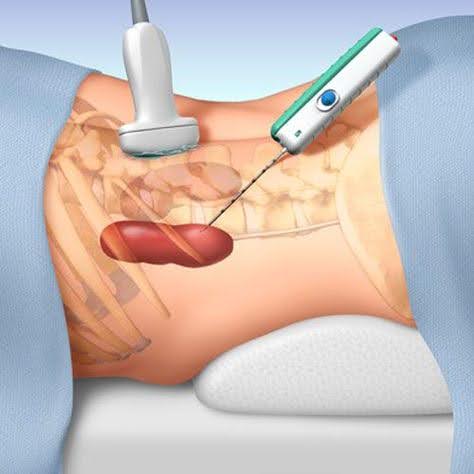
A kidney biopsy is a procedure where a doctor removes a small tissue sample from your kidney. This sample is examined under a microscope to check for signs of damage or disease. The goal? To get to the root of the problem, so your care team can make precise treatment decisions.
Roughly 10–15 % of patients with CKDoverall could potentially benefit from a diagnostic biopsy (excluding transplant or acute kidney injury (AKI) indications).
That fraction rises to 20–35 % among patients with:
Rapidly progressive CKD (rise in creatinine >30 % in months)
Proteinuria > 1 g/day or nephrotic syndrome
Active urine sediment (dysmorphic RBCs, casts)
Unexplained CKD in non-diabetic, non-hypertensive individuals
Suspected systemic disease (lupus, ANCA vasculitis, amyloidosis, monoclonal gammopathy)[NR1][MK2]
Classic diabetic nephropathy (longstanding diabetes, retinopathy, no active sediment).
Ischemic or hypertensive nephrosclerosis with typical clinical picture.
High bleeding risk or solitary kidney — risk > benefit.
There are two main types of kidney biopsies:
Percutaneous kidney biopsy: The most common. A needle is inserted through your skin and into your kidney, often with ultrasound or CT imaging to guide the needle.
Open biopsy: Performed surgically, often if the patient is already undergoing another operation or if a percutaneous method isn’t possible.
The biopsy procedure is usually done on an outpatient basis and takes around 30–60 minutes.
While kidney biopsies are done safely in most patients, there are some risks of a kidney biopsy to be aware of:
Bleeding is the most common risk. You may see blood in your urine for a few days after the procedure.
You may feel pain at the biopsy site, which can be managed with over-the-counter pain relievers.
Rare complications include injury to a blood vessel, infection, or the need for a second procedure if not enough tissue is obtained.
It’s also a good idea to check your insurance coverage before the biopsy. Visit our insurance information page to learn more about what’s covered and how to prepare for costs related to your biopsy and treatment.
Conditions That May Increase the Risk of Bleeding:
A history of bleeding disorders
Use of blood thinners or NSAIDs
High blood pressure not well-controlled
Before the procedure is done, your doctor may ask you to stop certain medications and will perform blood tests to check your clotting ability. You’ll receive local anesthesia to numb the area, and you may be asked to hold your breath briefly during the procedure.
Innovations and Future Trends
Recent advances are making kidney biopsies safer and more accurate:
Image-guided biopsies using real-time ultrasound or CT improve needle precision
Research is exploring liquid biopsies using urine or blood samples, which could someday replace needle biopsies
AI-driven pathology tools are helping pathologists interpret results faster and with higher accuracy
Molecular and genetic analysis of kidney tissue is improving our understanding of rare or complex kidney conditions
What to Expect Before and After the Biopsy
Understanding how to prepare for your kidney biopsy, and what to expect afterward, can ease anxiety and promote a smoother recovery. Here’s a detailed guide to help you feel more confident about the process.
Before the Procedure
In the days leading up to your biopsy, your doctor will provide instructions tailored to your specific health status. Common preparation steps include:
Arrange Transportation: Because sedation or local anesthesia is used, and you’ll need to rest afterward, it’s important to have someone drive you home.
Review Medications:Inform your doctor about all medications and supplements you take, especially blood thinners (like aspirin, warfarin, or NSAIDs), as these may increase the risk of bleeding. You may need to stop them temporarily.
Fasting: You’ll likely be asked to avoid food and drink for 6–8 hours before the biopsy, especially if sedation or anesthesia will be used.
Dress Comfortably: Wear loose, easy-to-remove clothing for the procedure.
Consent Form: You’ll be asked to sign a consent form, acknowledging that you understand the procedure, its purpose, and its risks.
Your care team will also conduct blood tests to ensure your blood clots normally and check your blood pressure, as uncontrolled hypertension can increase the risk of bleeding.
After the Procedure
Recovery usually takes place in a medical setting for several hours after the biopsy:
Observation Period: You’ll lie on your back and be closely monitored for signs of bleeding or complications. Nurses will regularly check your blood pressure and examine your urine for signs of blood.
Physical Restrictions: Avoid heavy lifting, bending, or strenuous activity for at least 48 hours, as these can increase pressure on the kidney and trigger bleeding.
Pain Management: Mild soreness or dull pain at the biopsy site is common. Over-the-counter pain medications like acetaminophen (Tylenol) are usually sufficient. Avoid NSAIDs unless cleared by your doctor.
Hydration: Drinking plenty of fluids will help flush any blood from your urinary tract and support kidney recovery.
Most people can return home the same day and resume normal activities within a few days, depending on how they feel.
Potential Questions to Ask Your Doctor About Kidney Biopsy
What are we hoping to learn from this biopsy?
Are there alternatives to biopsy in my case?
How will the results change my treatment plan?
Getting Clear Answers for Better Kidney Care
A kidney biopsy can also uncover critical answers when other tests leave doctors guessing. Whether you’re dealing with a transplanted kidney, unexplained symptoms, or complex disease, a small kidney sample can make a big difference.
If your doctor says you may need a kidney biopsy, don’t panic. The procedure is generally safe and often life-saving. It’s one of the best tools to diagnose kidney problems accurately and guide effective treatment.
Talk to your nephrologist today about whether a biopsy could help clarify what’s causing your kidney problem, and how best to treat it.
If you’re looking for a nearby kidney care provider or dialysis center, use our location finder page to find a clinic close to you.
Frequently Asked Questions
1. What is the purpose of a kidney biopsy?
A kidney biopsy is performed to examine kidney tissue under a microscope. It helps diagnose the cause of kidney disease, assess severity, guide treatment, and monitor response to therapy.
5. What percentage of kidney biopsies are cancerous?
Kidney biopsies rarely detect cancer, with studies showing only about 1–5% of biopsies revealing malignancy. Most biopsies are performed to diagnose non-cancerous kidney diseases.
Information contained in this blog is for informational or educational purposes only and does not substitute professional medical advice or consultations with healthcare professionals. The content is not intended to be comprehensive or exhaustive, and it does not apply to any specific individual’s medical condition. Always refer to the personalized information given to you by your doctor, or contact us directly.
Dr. Allen Kaufman is the Chief Medical Officer and Senior VP for Clinical & Scientific Affairs at Dialyze Direct, with over four decades of experience in Nephrology. He began his career in 1980 and has held leadership roles including Chief of Nephrology & Hypertension at Beth Israel Medical Center (1998–2004), Chief of Dialysis at the Bronx VA Medical Center (1982–1990), and Chief of the Yorkville Dialysis Unit at Beth Israel and the Renal Research Institute (1990–2000). Dr. Kaufman has authored over 100 scientific publications and served as Principal or Co-Investigator on numerous NIH-funded research studies. A Fellow of the American College of Physicians, he is board-certified in Nephrology and Internal Medicine. He earned his medical degree from the University of Rochester and completed training at the Hospital of the University of Pennsylvania and Mount Sinai in New York. Dr. Kaufman is widely recognized with multiple “Best Doctor” and “Patients’ Choice” awards.
Chronic kidney disease (CKD) is a growing health concern, affecting 1 in 7 adults in the United States, nearly 37 million people, according to the Centers for Disease Control and Prevention (CDC). Alarmingly, 90% of those with CKD are unaware they have it until the disease has progressed to more severe stages (National Institute of Diabetes and Digestive and Kidney Diseases (NIDDK)).
Often called a “silent disease,” CKD develops gradually, with no noticeable symptoms in the early stages. By the time most people receive a diagnosis, significant kidney damage has already occurred, increasing their risk of kidney failure, heart disease, stroke, and even death.
The kidneys play a vital role in filtering toxins and excess fluids from the blood, regulating blood pressure, producing red blood cells, and maintaining electrolyte balance. When kidney function declines, these essential processes are disrupted, leading to severe health complications. In fact, CKD and heart disease are closely linked, as reduced kidney function increases the risk of cardiovascular problems.
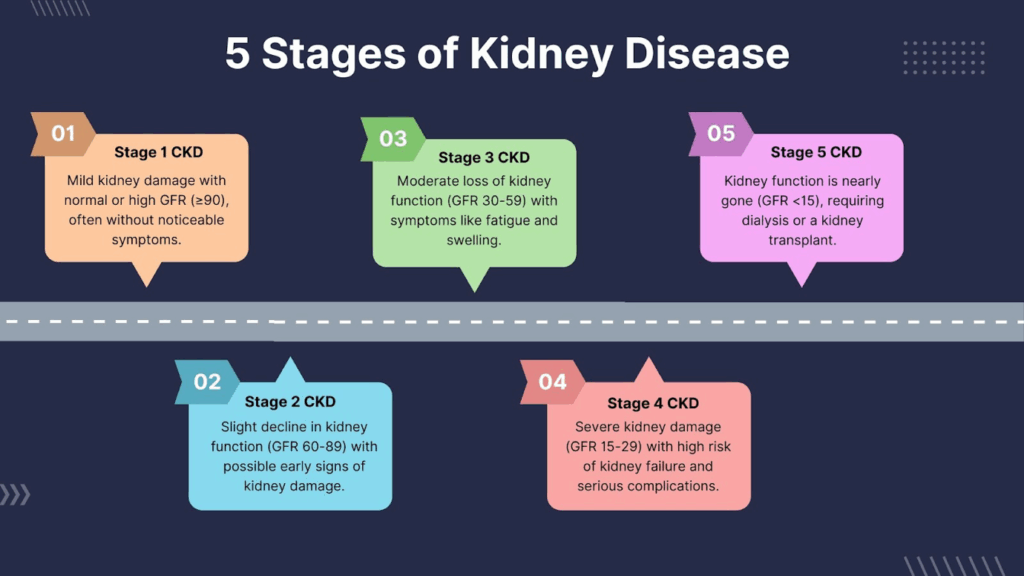
The Five Stages of Chronic Kidney Disease: A Closer Look
The stages of CKD are determined by the glomerular filtration rate (GFR) which is calculated using serum creatinine levels, and is a measure of how well the kidneys filter waste.
Stage 1 CKD: Kidney Damage with Normal Function
GFR: 90 or above (kidneys function normally but show damage signs).
Possible Signs:
Protein in urine (albuminuria) – an early indicator of kidney damage.
Kidney imaging abnormalities can be explored with ultrasound or other imaging studies. Symptoms: None in most cases; only detected through routine screening.
Fact: At this stage, lifestyle changes and/or other interventions may mitigate further kidney damage.
Management:
Control of risk factors. The detailed management depends on the underlying cause. For example, control of hypertension or diabetes can help. Appropriate dietary interventions (lowering dietary sodium, sweets or protein) may also be appropriate. Regular kidney function monitoring should be initiated.
Stage 2 CKD: Mild Kidney Dysfunction
GFR: 60-89
Symptoms:
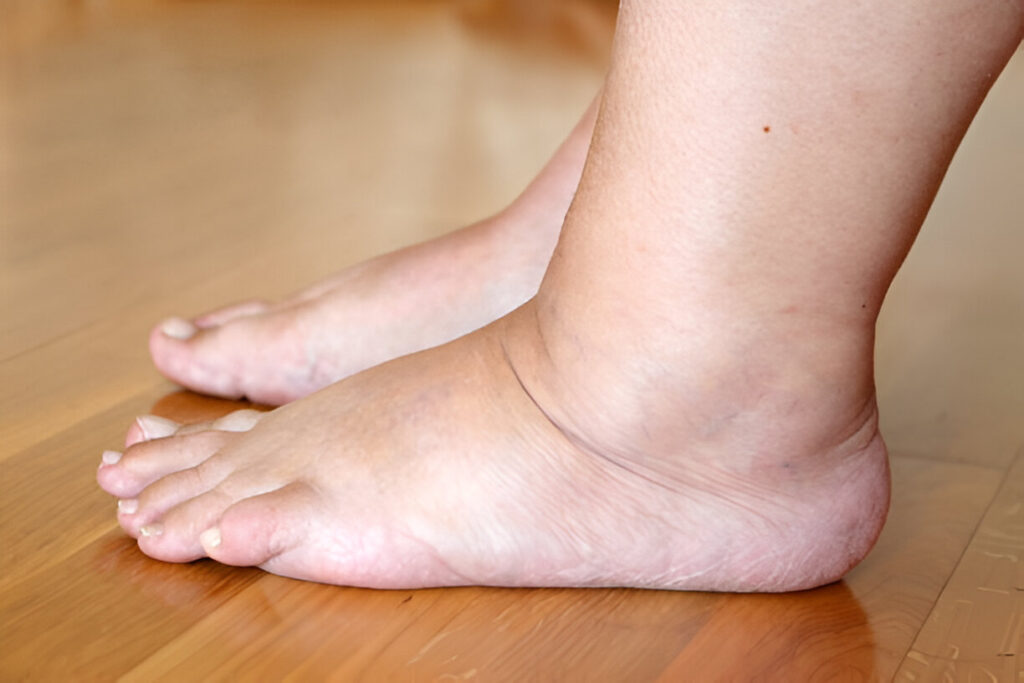
Mild changes in urine output or urine character (e.g., foamy urine may occur with more significant urinary protein losses), or mild fluid retention causing lower extremity swelling (edema) may also be present.
Fact: People with high blood pressure or uncontrolled diabetes are at higher risk of CKD progression.
Management:
In addition to hypertension and diabetes management, regular kidney function tests must be carefully tracked. Avoid NSAIDs (like ibuprofen), which can accelerate kidney damage.
Stage 3 CKD: Moderate Loss of Kidney Function
GFR: 30-59
Symptoms:
Fatigue and weakness can manifest due to the development of advanced CKD-related anemia. More extensive swelling of the feet (and sometimes hands and face) may be associated with more fluid retention.
Complications of CKD: Increased risk of heart and vascular disease. At this stage of kidney disease, abnormalities of calcium, phosphorus, and bone metabolism begin to manifest.
Fact: At Stage 3, 1 in 3 people with CKD may develop end-stage kidney disease (ESKD) without proper management.
Management:
Medications to control blood pressure, blood sugar, and phosphorus levels may be indicated. Reduced protein intake may also be indicated in some circumstances to lessen the burden on the kidneys.
Stage 4 CKD: Severe Kidney Dysfunction
GFR: 15-29
Symptoms:
Severe swelling may now include fluid in the lungs, leading to difficulty breathing.
Nausea and loss of appetite due to toxin buildup may become prominent.
Abnormalities in red blood cells (anemia) may also become prominent.
Itchy, dry skin and changes in skin color may develop.
Risk of Kidney Failure: High, with dialysis or a kidney transplant potentially imminent.
Fact: More than 50% of people with Stage 4 CKD will develop kidney failure within five years.
Management:
Rule out any superimposed kidney obstruction with imaging studies, even if it was ruled out at an earlier stage of kidney disease. Begin discussing dialysis and/or kidney transplant options with your kidney specialist. Carefully monitor and manage anemia and electrolyte imbalances.
Stage 5 CKD: End-Stage Kidney Disease (ESKD)
GFR: Below 15 (kidney function is at a critically low level).
Symptoms:
Severe fatigue, weakness, confusion due to toxin buildup and anemia. Shortness of breath due to fluid in the lungs. Significant swelling (legs, around the eyes, and abdomen).
Treatment Options:
Dialysis (hemodialysis or peritoneal dialysis) to filter toxins from the blood. Kidney transplantation (if appropriate) offers the best long-term survival outcome. Home dialysis is an option for many patients, offering flexibility, improved quality of life and superior medical outcomes. Learn more about home dialysis here.
Understanding Albuminuria Stages in Chronic Kidney Disease
Albuminuria is a key indicator of kidney disease, referring to the presence of albumin (a type of protein) in the urine. Healthy kidneys typically prevent normal blood protein from leaking into the urine, but when kidney function declines, significant protein in the urine signals kidney damage. Measuring albuminuria helps assess the severity of chronic kidney disease (CKD) and predict the risk of progression to kidney failure.
Albuminuria Stages and Their Significance
The National Kidney Foundation classifies albuminuria into three stages based on the albumin-to-creatinine ratio (ACR) in milligrams (mg) albumin per gram (g) creatinine):
A1 (Normal to Mild Albuminuria)
ACR: Less than 30 mg/g
This level is considered normal or mildly increased. It typically does not indicate significant kidney damage. However, people with diabetes, high blood pressure, or other CKD risk factors should monitor their kidney health closely.
A2 (Moderate Albuminuria, formerly known as Microalbuminuria)
ACR: 30–300 mg/g
A moderate increase in albumin levels suggests early kidney damage. At this stage, CKD may still be reversible with lifestyle changes and medication to control blood pressure, diabetes, and other contributing factors.
A3 (Severe Albuminuria, formerly known as Macroalbuminuria)
ACR: More than 300 mg/g
A high level of albumin in the urine indicates significant kidney damage. This stage is associated with a higher risk of CKD progression, cardiovascular disease, and end-stage kidney disease (ESKD), requiring dialysis or a kidney transplant.
Why Albuminuria Matters
Early Detection: Even mild albuminuria can signal kidney dysfunction before a decline in the glomerular filtration rate (GFR) is detected.
Risk Assessment: Higher albuminuria levels correlate with an increased risk of CKD progression, heart disease, and mortality.
Treatment Guidance: Controlling albuminuria through certain medication (like ACE inhibitors or ARBs), diet, and lifestyle modifications can slow CKD progression and reduce complications.
Testing for Albuminuria
A simple urine albumin-to-creatinine ratio (uACR) test can detect albuminuria. The National Kidney Foundation recommends regular testing for individuals at high risk, including those with diabetes, high blood pressure, or a family history of kidney disease.
Understanding albuminuria stages can help people with CKD take proactive steps to preserve kidney function and prevent the progression of kidney failure.
Causes and Risk Factors of CKD
CKD can develop due to various underlying conditions, with diabetes and high blood pressure being the leading causes.
Diabetes and Kidney Disease: High blood sugar damages kidney blood vessels, leading to a gradual loss of kidney function.
High Blood Pressure (Hypertension): Increased pressure on kidney arteries causes long-term damage.
Polycystic Kidney Disease (PKD): A genetic disorder where fluid-filled cysts impair kidney function.
Acute Kidney Injury (AKI): Sudden kidney failure from an acute medical condition that injures the kidneys. Examples include but are not limited to infections, shock, or medications. AKI is often reversible, but not always reversible.
Cardiovascular Disease: Heart disease and kidney disease are closely linked, as kidney function loss can increase the risk of heart failure.
Family History of Kidney Disease: Increases risk of kidney disease significantly.
Who Is at Risk?
Individuals with diabetes or hypertension.
People with a family history of kidney disease.
Those who are obese or smoke.
African American, Hispanic, Asian, and Native American populations have a higher genetic predisposition, but proteinuria can also occur in individuals of any heritage.
Early Detection & Prevention Strategies
How to Detect CKD Early
Blood Tests: Measure serum creatinine levels and calculate GFR.
Urine Tests: Check for albuminuria (protein in urine).
Blood Pressure Monitoring: High blood pressure is both a cause and consequence of CKD.
How to Prevent CKD Progression
Follow a Kidney-Friendly Diet: Limit salt, processed foods, red meat, and phosphorus-rich foods.
Stay Hydrated: Aim for at least 2-3 liters of water daily (unless advised otherwise by a doctor).
Manage Blood Sugar & Blood Pressure: Keep HbA1c below 7% (for diabetics) and BP below 130/80 mmHg.
Exercise Regularly: Aim for 150 minutes of moderate exercise per week.
Avoid Nephrotoxic Medications: Limit use of NSAIDs (like ibuprofen).
Quit Smoking & Reduce Alcohol Intake: Both can worsen kidney function.
Support for Patients with Advanced CKD
At Dialyze Direct, we understand how overwhelming a CKD diagnosis can feel. That’s why we provide personalized, more frequent home hemodialysis treatments inside SNFs or within a patient’s home. Our approach is designed to be gentler on the body, easier to fit into daily life, and to provide superior medical outcomes.
If you’re a patient, caregiver, or healthcare provider, contact Dialyze Direct today to learn how we can help support better outcomes for people living with advanced kidney disease.
Q. What is the life expectancy of a person with stage 3 kidney disease?
Life expectancy varies and is influenced by the underlying medical conditions. However, with proper management, many people with stage 3 CKD can live for decades without progressing to kidney failure.
Q. What are the 5 stages of CKD?
The five stages of CKD range from mild kidney damage (Stage 1) to end-stage kidney disease (Stage 5), classified by glomerular filtration rate (GFR) levels.
Q. At what stage of kidney disease should I see a nephrologist?
It is recommended to see a nephrologist by Stage 3 CKD to monitor kidney function and slow disease progression. Often a nephrologist is seen at an even earlier stage of kidney disease.
Can you reverse stage 3 kidney disease?
While CKD is generally not reversible, lifestyle changes, medication, and proper disease management can slow or halt its progression.
Information contained in this blog is for informational or educational purposes only and does not substitute professional medical advice or consultations with healthcare professionals. The content is not intended to be comprehensive or exhaustive, and it does not apply to any specific individual’s medical condition. Always refer to the personalized information given to you by your doctor, or contact us directly.
Dr. Allen Kaufman is the Chief Medical Officer and Senior VP for Clinical & Scientific Affairs at Dialyze Direct, with over four decades of experience in Nephrology. He began his career in 1980 and has held leadership roles including Chief of Nephrology & Hypertension at Beth Israel Medical Center (1998–2004), Chief of Dialysis at the Bronx VA Medical Center (1982–1990), and Chief of the Yorkville Dialysis Unit at Beth Israel and the Renal Research Institute (1990–2000). Dr. Kaufman has authored over 100 scientific publications and served as Principal or Co-Investigator on numerous NIH-funded research studies. A Fellow of the American College of Physicians, he is board-certified in Nephrology and Internal Medicine. He earned his medical degree from the University of Rochester and completed training at the Hospital of the University of Pennsylvania and Mount Sinai in New York. Dr. Kaufman is widely recognized with multiple “Best Doctor” and “Patients’ Choice” awards.
Kidney disease is often referred to as a “silent killer” because it can develop with little to no symptoms in its early stages. However, recognizing the warning signs early can help you take proactive steps to protect your kidney health and prevent further complications. Here’s what you need to know about the early signs of kidney disease and when to seek medical attention.
Understanding Kidney Disease
The kidneys play a vital role in filtering waste products and excess fluids from the blood, regulating blood pressure and kidney function, and balancing essential nutrients in the body. When they begin to lose function, waste can build up, leading to serious health complications, including chronic kidney disease (CKD), acute kidney injuries, and kidney failure.
According to theCenters for Disease Control and Prevention (CDC), millions of Americans suffer from kidney disease, yet many are unaware they have it. Common causes of chronic kidney disease include diabetes, high blood pressure, autoimmune disease, and polycystic kidney disease.
Early Signs of Kidney Disease
Many people with chronic kidney disease may not experience symptoms until significant kidney damage has occurred.
However, some early warning signs to watch for include:
1. Changes in Urination
The kidneys filter waste from the blood to produce urine. Any noticeable change in urination, such as:
Increased or decreased frequency
Foamy or bubbly urine (which may indicate protein in urine)
Blood in urine (hematuria)
Pain or burning during urination
Kidney stones or an enlarged kidney
A urine test can help diagnose kidney disease and detect abnormalities at an early stage.
2. Fatigue and Weakness
When kidney function declines, waste products accumulate in the blood, leading to a condition known as uremia. This can cause extreme tiredness, weakness, and a lack of concentration. Additionally, kidney disease can lead to anemia due to a decrease in red blood cells, further contributing to fatigue.
3. Swelling (Edema)
The kidneys regulate fluid balance in the body. When they fail to function properly, fluid builds up, causing swelling in the legs, feet, hands, and face. This is a sign of fluid retention, often linked to high blood pressure and kidney damage.
4. Shortness of Breath
Excess fluid from kidney disease can accumulate in the lungs, leading to breathing difficulties. Low red blood cell levels can also result in reduced oxygen delivery, worsening symptoms of shortness of breath.
5. Persistent Itching and Skin Issues
Kidneys remove toxins from the body. When kidney function is compromised, waste products build up in the blood, causing severe itching, rashes, and dry skin.
6. Loss of Appetite and Nausea
A buildup of toxins due to declining kidney function can result in nausea, vomiting, and loss of appetite. Many people with kidney disease experience an aversion to certain foods, leading to unintended weight loss.
7. High Blood Pressure and Cardiovascular Issues
The kidneys help regulate blood pressure, and their decline can contribute to hypertension. In turn, high blood pressure is a leading cause of kidney disease, creating a vicious cycle. Uncontrolled high blood pressure increases the risk of kidney failure and blood vessel damage.
Diagnosing Kidney Disease
If you experience any of these symptoms, it is essential to consult a kidney specialist. Early detection through medical tests can help diagnose kidney disease and prevent further damage.
Maintain healthy blood pressure and kidney function by eating a low-sodium diet.
Control blood sugar levels if you have diabetes.
Stay hydrated but avoid excess fluid intake if advised by your doctor.
Exercise regularly to improve circulation and overall health.
Avoid excessive use of NSAIDs (nonsteroidal anti-inflammatory drugs), which can worsen kidney damage.
2. Medications and Medical Treatment
Blood pressure medications (ACE inhibitors, ARBs) can protect kidney function.
Diuretics help reduce fluid retention and swelling.
Anemia treatment (iron supplements, erythropoiesis-stimulating agents) can improve energy levels.
3. Dialysis and Kidney Transplant
For individuals with end-stage renal disease (ESRD) or end-stage kidney disease, treatment includes dialysis or a kidney transplant. Dialysis helps remove excess fluids and waste from the body, replacing kidney function. Some people may require a kidney transplant to survive, as this can offer a long-term solution to kidney failure.
Many patients opt forhome dialysis, which provides flexibility and greater independence in managing kidney disease from the comfort of their homes.
Protect Your Kidney Health
Kidney disease can be prevented or slowed with early detection and proper treatment. If you’re at risk due to diabetes, high blood pressure, or a family history of kidney disease, taking proactive steps can help reduce the risk of developing kidney failure.
Key Takeaways:
Know the early stages of kidney disease and its symptoms.
Get routine blood and urine tests to check kidney function.
Maintain healthy lifestyle habits to protect your kidneys.
Manage conditions like high blood pressure and diabetes.
Consider treatment options such as home dialysis for better convenience.
Recognizing the symptoms of chronic kidney disease early and seeking timely intervention can make a huge difference in your kidney health and overall well-being. To learn more about treatment options, including home dialysis, visit Dialyze Direct.
Information contained in this blog is for informational or educational purposes only and does not substitute professional medical advice or consultations with healthcare professionals. The content is not meant to be complete or exhaustive or to apply to any specific individual’s medical condition. Always refer to the personalized information given to you by your doctor or contact us directly.
Dr. Allen Kaufman is the Chief Medical Officer and Senior VP for Clinical & Scientific Affairs at Dialyze Direct, with over four decades of experience in Nephrology. He began his career in 1980 and has held leadership roles including Chief of Nephrology & Hypertension at Beth Israel Medical Center (1998–2004), Chief of Dialysis at the Bronx VA Medical Center (1982–1990), and Chief of the Yorkville Dialysis Unit at Beth Israel and the Renal Research Institute (1990–2000). Dr. Kaufman has authored over 100 scientific publications and served as Principal or Co-Investigator on numerous NIH-funded research studies. A Fellow of the American College of Physicians, he is board-certified in Nephrology and Internal Medicine. He earned his medical degree from the University of Rochester and completed training at the Hospital of the University of Pennsylvania and Mount Sinai in New York. Dr. Kaufman is widely recognized with multiple “Best Doctor” and “Patients’ Choice” awards.
More frequent dialysis provides a slower rate of dialytic fluid removal and stabilizes intradialytic hemodynamics. In those patients with acute kidney injury (AKI) who require dialysis therapy, this gentler dialysis model of care may enhance the chances of kidney recovery and liberation from dialytic care.
Key points on why this approach may lead to better outcomes for AKI patients.
Improved Clinical Outcomes for AKI Patients
More frequent dialysis sessions improve the way toxins and excess fluids are removed, help maintain stable electrolyte levels, and enhance hemodynamic stability. This model of care can be especially beneficial for patients with acute kidney injury (AKI), as it mitigates complications like pulmonary edema, arrhythmias, and hypotension—ultimately supporting faster recovery and protecting vital organs and permits on-site management of patients with higher levels of medical complexity and more comorbid conditions
Reduced Risk of Complications
Dialysis removes fluid more gently (1) and can lower the risk of cardiovascular events, and other complications associated with more crude methods of fluid removal.
Reduced Hospitalizations and Continuity of Care
When AKI patients receive dialysis onsite at a SNF, any health events or complications can be managed immediately by the facility’s clinical team, avoiding unnecessary hospital transfers. Instead of being sent to the hospital, patients are returned to their rooms for prompt care and monitoring, supporting faster stabilization and continuity of treatment.
More Time for Rehab
Onsite dialysis with more frequent dialysis eliminates the need for time-consuming transportation to offsite clinics, reduces post-dialysis recovery time 2, and frees up valuable hours in the day. This results in patients spending up to 70% more time participating in rehab, which can accelerate recovery and improve overall outcomes, including moving up the date of discharge home.
At Dialyze Direct, where home-based and SNF (skilled nursing facility) dialysis models prioritize patient-centric care, a more frequent dialysis schedule aligns well with improving outcomes for AKI patients, particularly those with comorbidities.
Bellin EY, AM Hellebrand, WT Markis, JG Ledvina, SM Kaplan, NW Levin, AM Kaufman.
On-site More Frequent Dialysis May Hasten Return Home for Nursing Home End-Stage Renal Disease Patients. Kidney 360. 2024; 10-34067.
Bellin EY, AM Hellebrand, SM Kaplan, JG Ledvina, WT Markis, NW Levin, AM Kaufman.
Post-dialysis recovery time in ESRD patients receiving more frequent hemodialysis in skilled nursing facilities. Hemodialysis International. 2022;26(3):424-434.
Medically Reviewed: This content has been reviewed for clinical accuracy and reliability by Dr. Allen Kaufman, Chief Medical Officer at Dialyze Direct.
Information contained in this blog is for informational or educational purposes only and does not substitute professional medical advice or consultations with healthcare professionals. The content is not intended to be comprehensive or exhaustive, and it does not apply to any specific individual’s medical condition. Always refer to the personalized information given to you by your doctor, or contact us directly.
Dr. Allen Kaufman is the Chief Medical Officer and Senior VP for Clinical & Scientific Affairs at Dialyze Direct, with over four decades of experience in Nephrology. He began his career in 1980 and has held leadership roles including Chief of Nephrology & Hypertension at Beth Israel Medical Center (1998–2004), Chief of Dialysis at the Bronx VA Medical Center (1982–1990), and Chief of the Yorkville Dialysis Unit at Beth Israel and the Renal Research Institute (1990–2000). Dr. Kaufman has authored over 100 scientific publications and served as Principal or Co-Investigator on numerous NIH-funded research studies. A Fellow of the American College of Physicians, he is board-certified in Nephrology and Internal Medicine. He earned his medical degree from the University of Rochester and completed training at the Hospital of the University of Pennsylvania and Mount Sinai in New York. Dr. Kaufman is widely recognized with multiple “Best Doctor” and “Patients’ Choice” awards.
Did you know that chronic kidney disease (CKD) is a growing concern, affecting approximately 37 million adults in the U.S., according to the Centers for Disease Control and Prevention (CDC). The alarming fact is that 90% of people with CKD don’t know they have it until it progresses to more severe stages.
That’s why kidney function tests, including the estimated glomerular filtration rate (eGFR) test and creatinine blood test, are crucial in detecting problems early and managing CKD effectively.
If CKD progresses, treatment options like dialysis or a kidney transplant may become necessary. Many patients now prefer home dialysis as a more flexible and convenient alternative to in-center treatments, allowing for greater independence and improved quality of life. Learn more about home dialysis here.
What is eGFR and Why Does It Matter?
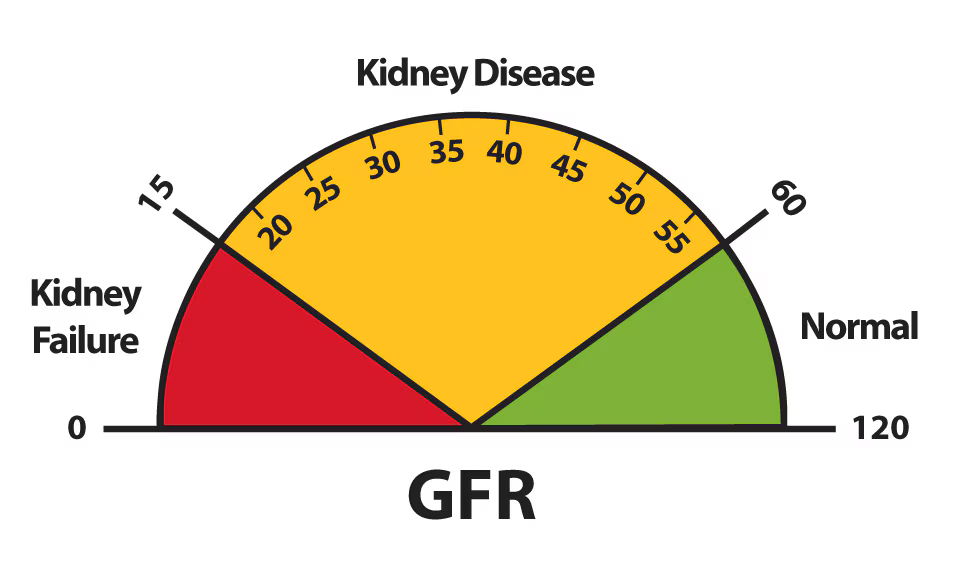
The estimated glomerular filtration rate (eGFR) is a key indicator of how well your kidneys filter blood. It is calculated based on creatinine levels, age, sex, and race and helps determine the stage of kidney disease.
Understanding eGFR Levels
eGFR Level (mL/min)
Kidney Function
90+
Normal kidney function
60–89
Mildly decreased function (Early signs of CKD)
30–59
Moderate CKD (Stage 3)
15–29
Severe CKD (Stage 4)
Less than 15
Kidney failure (Dialysis required)
A low eGFR may indicate kidney damage, requiring additional tests to confirm results.
How eGFR Calculators Help Monitor Kidney Health
Kidney disease often progresses silently, making early detection crucial. One of the best ways to assess kidney function is by using an eGFR calculator, which estimates how well your kidneys are filtering waste from your blood.
What is an eGFR Calculator?
An eGFR (Estimated Glomerular Filtration Rate) Calculator is a simple yet effective tool that helps estimate kidney function using key factors like:
Serum Creatinine Levels – A waste product measured in the blood
Age – Kidney function naturally declines with age
Sex – Males and females have different normal kidney function ranges
Other Factors – Some formulas adjust for body size and race
The eGFR result helps determine chronic kidney disease (CKD) stages and guides doctors in treatment planning.
How eGFR is Calculated
The most commonly used CKD-EPI equation estimates eGFR based on the following formula:
If serum creatinine (Scr) is low: eGFR=144×(Scr/0.7)−0.329×(0.993age)
If serum creatinine (Scr) is high: eGFR=144×(Scr/0.7)−1.209×(0.993age) (For males, replace 144 with 141 and adjust exponent values accordingly.)
Understanding eGFR Levels
eGFR Level (mL/min)
Kidney Function
90+
Normal kidney function
60–89
Mildly decreased function (Early signs of CKD)
30–59
Moderate CKD (Stage 3)
15–29
Severe CKD (Stage 4)
Less than 15
Kidney failure (Dialysis required)
A low eGFR may indicate kidney damage, requiring additional tests like creatinine blood tests and urine albumin tests to confirm kidney disease.
Why Use an eGFR Calculator?
Early detection of kidney disease before symptoms appear
Monitoring CKD progression over time
Determining medication dosages for kidney patients
Assessing overall kidney function to guide treatment
Calculate Your eGFR Now
Take control of your kidney health today. Use This eGFR Calculator to quickly estimate your kidney function and understand your results.
Essential Kidney Function Tests You Should Know
1. Creatinine Blood Test
A creatinine blood test measures the amount of creatinine in your blood, a waste product from the normal breakdown of muscle tissue. High creatinine levels may mean you have kidney disease, as your kidneys may not be working properly.
Normal creatinine levels:
Men: 0.6–1.2 mg/dL
Women: 0.5–1.1 mg/dL
Since creatinine is a waste product, the body normally filters it out through urine. If levels are high, it may indicate kidney filtration problems.
2. Blood Urea Nitrogen (BUN) Test
This blood test measures the amount of waste product in your blood called urea nitrogen. High BUN levels may suggest kidney disease, dehydration, or high protein intake.
3. Urine Albumin-to-Creatinine Ratio (UACR) Test
The UACR test checks for albumin in your urine, which may be an early sign of kidney disease.
Normal albumin level: Less than 30 mg/g
Elevated albumin level: 30 mg/g or higher → Possible kidney damage
A urine test is often used alongside an eGFR test to confirm the cause of your kidney disease.
4. Creatinine Clearance Test
This test measures how effectively your kidneys remove creatinine from your blood over a 24-hour period. It provides further insights into glomerular filtration rate (GFR) and kidney function.
5. Kidney Biopsy
If other test results suggest kidney disease, a kidney biopsy may be necessary. This involves taking a small sample of kidney tissue to identify the cause of your kidney disease.
Stages of Chronic Kidney Disease (CKD) and What They Mean
CKD is categorized into five stages based on eGFR levels:
Stage
eGFR Level
What Happens?
Stage 1
90+
Kidney damage, but normal function
Stage 2
60-89
Mild decline in kidney function
Stage 3
30-59
Moderate CKD; possible symptoms
Stage 4
15-29
Severe CKD; preparing for dialysis or a kidney transplant
Stage 5
<15
Kidney failure; treatment required
Knowing your kidney numbers (eGFR and creatinine levels) helps monitor CKD progression.
Who is at Risk for Kidney Disease?
Kidney disease often develops slowly and silently, with symptoms appearing in later stages. Identifying risk factors early can help prevent or delay kidney damage. Several conditions and lifestyle choices increase the likelihood of developing chronic kidney disease (CKD) or kidney failure.
1. Diabetes & High Blood Pressure (Leading Causes of CKD)
Diabetes: High blood sugar damages the tiny blood vessels in the kidneys, reducing their ability to filter waste properly.
Statistic: Up to 40% of people with diabetes develop CKD over time.
High Blood Pressure (Hypertension): Increased pressure in blood vessels can cause kidney scarring and reduced kidney filtration.
Fact: Uncontrolled high blood pressure is responsible for about 25% of kidney failure cases (National Kidney Foundation).
2. Cardiovascular Disease (CVD)
The heart and kidneys work closely together—when heart health declines, kidney function often worsens too.
Poor blood circulation and narrowed arteries (due to cholesterol buildup) reduce oxygen and nutrient flow to the kidneys, causing damage.
Study Insight: People with CVD are at higher risk of developing CKD, and vice versa (American Heart Association).
6. Family History of CKD or Polycystic Kidney Disease (PKD)
Genetics play a role: if a close family member has CKD or PKD, your risk is higher.
Polycystic Kidney Disease (PKD) is an inherited disorder where fluid-filled cysts develop in the kidneys, affecting function over time.
When to See a Nephrologist (Kidney Doctor)?
Warning Signs of Kidney Disease:
Swelling in legs, feet, or hands (fluid retention)
Persistent high blood pressure
Blood in urine (red blood cells may indicate kidney damage)
Unexplained fatigue, nausea, or appetite loss
Changes in urination (foamy urine, frequent nighttime urination, or dark-colored urine)
If your eGFR is less than 60 or your creatinine blood test shows abnormal results, consult a kidney specialist immediately.
Treatment Options for Kidney Failure
1. Hemodialysis – The Preferred Choice for Most Patients
When kidney function declines to the point of failure, hemodialysis is the most effective and widely recommended treatment. This process removes waste, excess fluids, and toxins from the blood, performing the vital filtration work that failing kidneys can no longer manage.
In-Center Hemodialysis: Patients visit a dialysis center multiple times a week for treatment under medical supervision.
Home Hemodialysis: A more flexible option that allows patients to undergo dialysis at home, offering greater independence and better quality of life.
Many patients are now choosing home hemodialysis for its added convenience and effectiveness.
Worried about the cost of dialysis? Many insurance plans cover dialysis treatments. Learn more about dialysis insurance coverage here.
2. Peritoneal Dialysis – An Alternative, But Not for Everyone
Peritoneal dialysis (PD) is another option where a special fluid is introduced into the abdomen to remove toxins and excess fluids. While PD offers more flexibility and does not require a machine during the treatment, it may not be suitable for everyone due to:
Higher risk of infections (such as peritonitis)
Less effective toxin removal compared to hemodialysis
Not recommended for patients with abdominal surgeries or complications
For most individuals with chronic kidney disease, hemodialysis remains the safer, more effective, and more widely supported treatment option. Consulting with a nephrologist can help determine the best approach for managing kidney failure effectively.
Take Charge of Your Kidney Health
Kidney disease can progress silently, but early detection is key. If you’re at risk due to diabetes, high blood pressure, or family history, regular testing can help catch problems early.
For those with kidney failure, hemodialysis is a reliable and effective treatment that helps maintain quality of life. Many patients are now choosing home dialysis for its added flexibility and comfort.
Worried about the cost of dialysis? Many insurance plans cover dialysis treatments. Learn more about dialysis insurance coverage here
Taking proactive steps to monitor your health, staying active, and following a kidney-friendly diet can make a big difference.
Information contained in this blog is for informational or educational purposes only and does not substitute professional medical advice or consultations with healthcare professionals. The content is not intended to be comprehensive or exhaustive, and it does not apply to any specific individual’s medical condition. Always refer to the personalized information given to you by your doctor, or contact us directly.
Driven, adaptable, and passionate about personal and professional growth, I bring a unique blend of creativity, problem-solving, and commitment to everything I do. With a strong background in [insert field or industry], I thrive in fast-paced environments where innovation and collaboration are key. I take pride in building strong relationships, delivering high-quality results, and constantly seeking new ways to learn and improve.
Throughout my journey, I’ve embraced challenges as opportunities for growth and continually pushed myself to exceed expectations. I’m highly organized, detail-oriented, and never shy away from taking initiative. Whether working independently or as part of a team, I believe in maintaining a positive attitude and a strong work ethic.
Starting January 1, 2025, Dialyze Direct is thrilled to announce a groundbreaking change in our admission policy for Medicare patients. Previously, an End-Stage Renal Disease (ESRD) diagnosis was required to admit patients to our home dialysis program. However, with the new regulations, we can now accept all Medicare patients with Acute Kidney Injury (AKI) , regardless of the underlying cause.
What This Means for Medicare Patients
This significant policy shift opens up new opportunities for Medicare patients who need dialysis care. By removing the ESRD diagnosis requirement, we can now provide our specialized home dialysis services to a broader range of patients. This change is particularly beneficial for those with Acute Kidney Injury (AKI).
Benefits of Home Dialysis in Skilled Nursing Facilities (SNFs)
One of the most exciting aspects of this change is the ability to offer home dialysis in our partnered Skilled Nursing Facilities (SNFs) {locations}. These facilities provide a comprehensive range of rehabilitative services, ensuring that patients receive holistic care tailored to their individual needs. Here are some key benefits:
Comprehensive Care: Patients will have access to a full spectrum of rehabilitative services, including physical therapy, occupational therapy, and more.
Convenience: Receiving dialysis in an SNF means patients can stay in a single location for both their dialysis and rehabilitative needs, reducing the stress and logistical challenges of traveling to multiple facilities.
Personalized Treatment Plans: Our team of healthcare professionals will work closely with each patient to develop a personalized treatment plan that addresses their unique health needs and goals.
Enhancing Quality of Life
At Dialyze Direct, our mission is to enhance the quality of life for our patients. By expanding access to our home dialysis program, we are taking a significant step toward achieving this goal. Patients will benefit from the flexibility and comfort of home dialysis, combined with the comprehensive support available in SNFs.
Looking Ahead
We are excited about the positive impact this change will have on our patients and their families. As we move forward, Dialyze Direct remains committed to providing the highest quality of care and support to all our patients. We look forward to welcoming more Medicare patients into our home dialysis program and helping them achieve better health outcomes.
For more information about our home dialysis program and the services we offer, please visit our website or contact us directly. Together, we can make a difference in the lives of those living with kidney failure.
For more information on the Dialyze Direct difference and SNF onsite more frequent dialysis (MFD), email hello@dialyzedirect.com.
Information contained in this blog is for informational or educational purposes only and does not substitute professional medical advice or consultations with healthcare professionals. The content is not intended to be comprehensive or exhaustive, and it does not apply to any specific individual’s medical condition. Always refer to the personalized information given to you by your doctor, or contact us directly.